Peregrine
The first bird. Cognac and new American oak sit at its center, which give Peregrine its creamy, orchard fruit profile.
An ongoing exploration in which each whisky has its own identity: one blending profile, matched to one cask regimen, explored in its entirety.
The first bird. Cognac and new American oak sit at its center, which give Peregrine its creamy, orchard fruit profile.
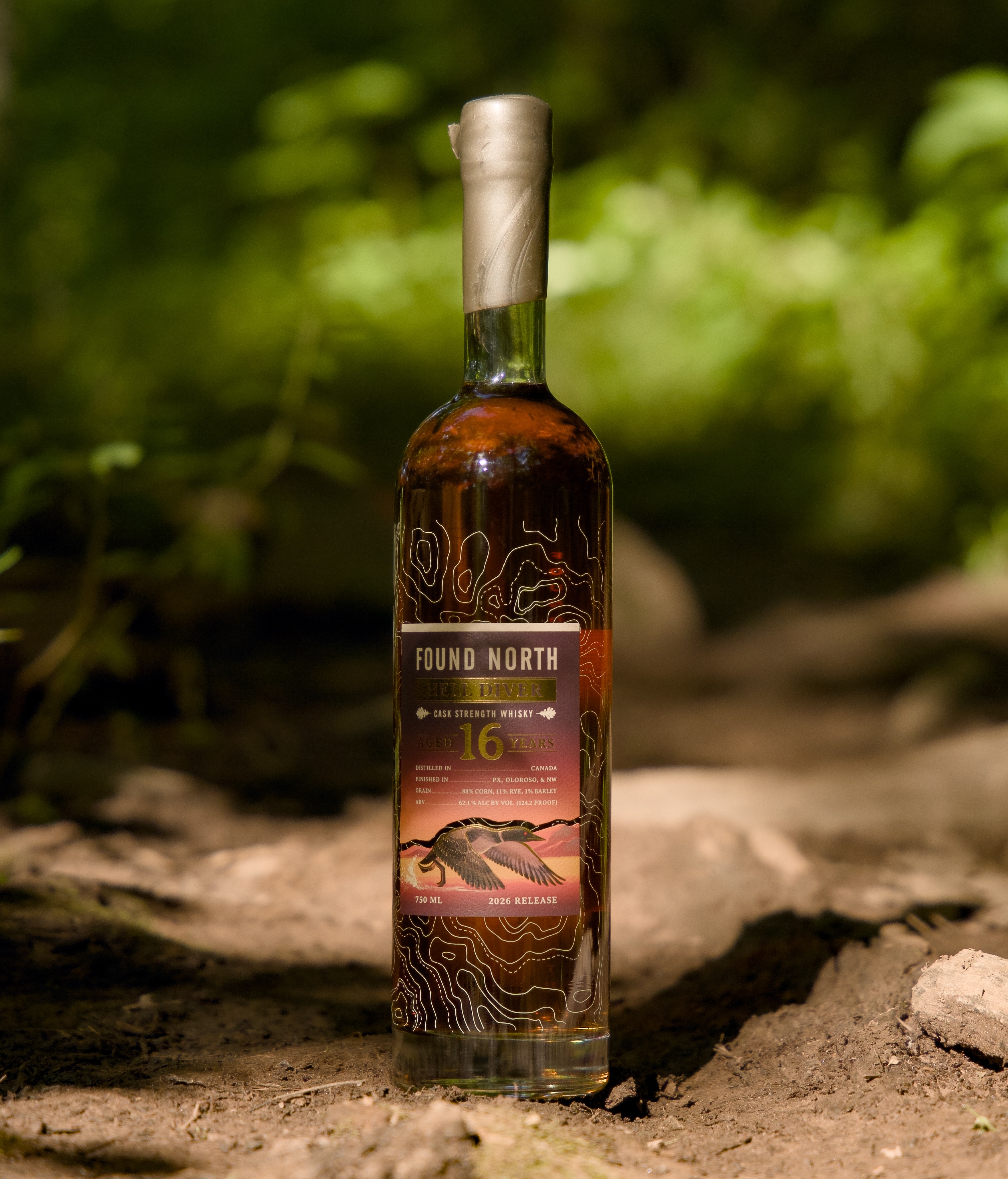
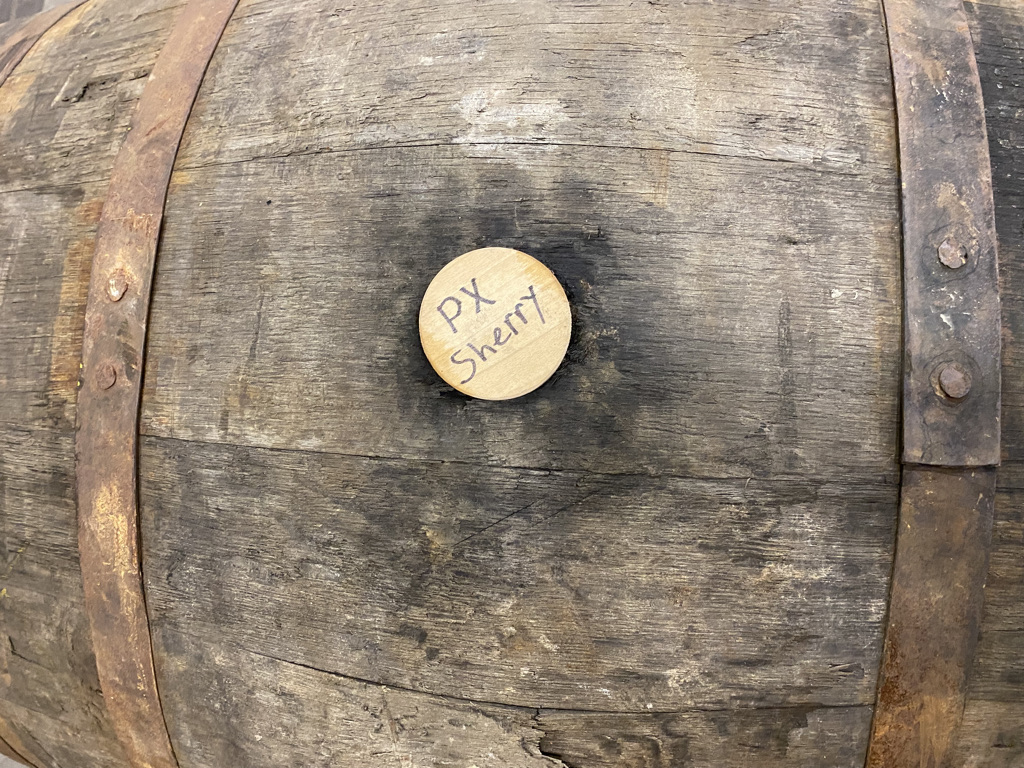
A sherry study with PX Sherry at its center throughout. We took this profile as far as we believe it goes, and closed it with the 2026 release.
The third release in the collection, and the only bird so far built on Moscatel.
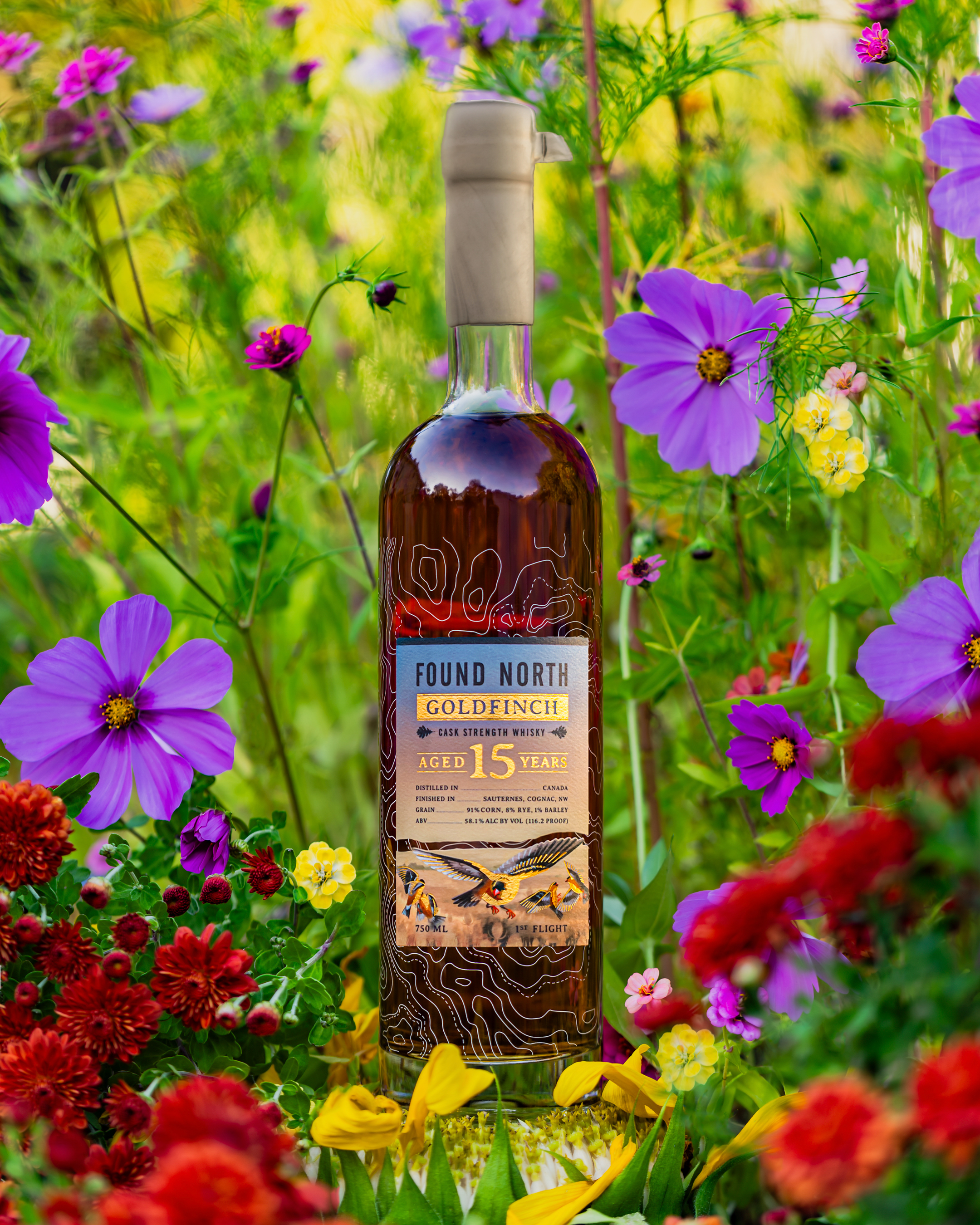
The fourth bird, and the first to bring Sauternes into the collection.
Our desire to make Canadian whisky comes from a love of process over provenance. Single stream distillation gives us maximum freedom as blenders and whisky makers. Most of the single-grain component whiskies we source are quite old, but have spent most of their lives in used wood. The whiskies are mature but not oaky. Moreover, Canadian whisky is not shackled by the expectations of how it is supposed to taste or how it must be made. It is a primed canvas.
In short, we use well-made, well-aged, very unfinished whisky as we see fit. We have a long-term vision for every whisky we buy and 90% of the time that means reracking it into newer, fresher casks.
The High Altitude Collection is about creating our own structure to explore whisky making. We define this process as Blend–Finish–Reblend.
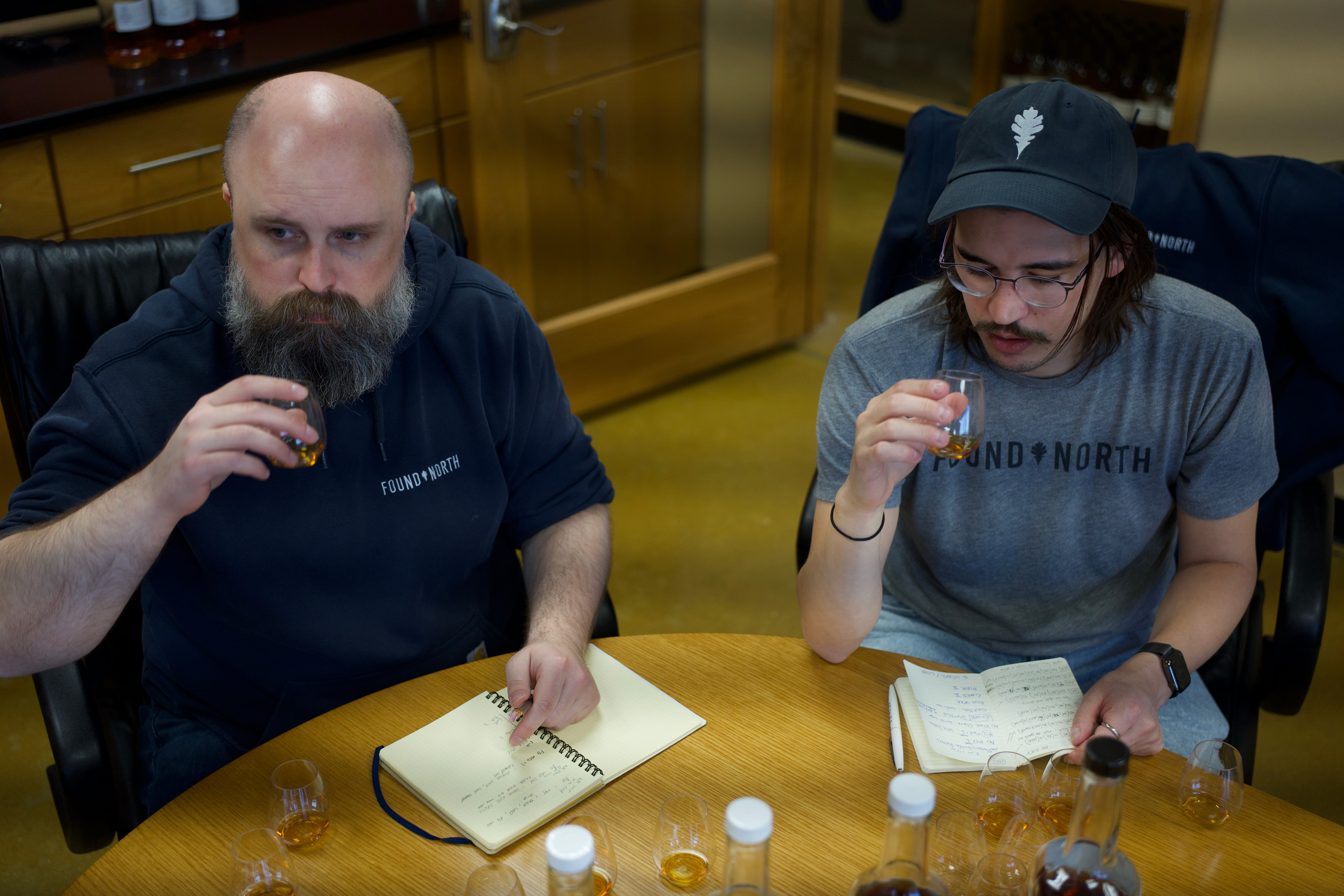
We’ve learned over the years that some of the components react better to finishing casks if we blend them, before we recask them. So our “High Altitude Process” is to create a blend, designed specifically for a particular type of finishing casks. We finish the blend in those casks. And then we combine the best of those casks to create the final whisky.
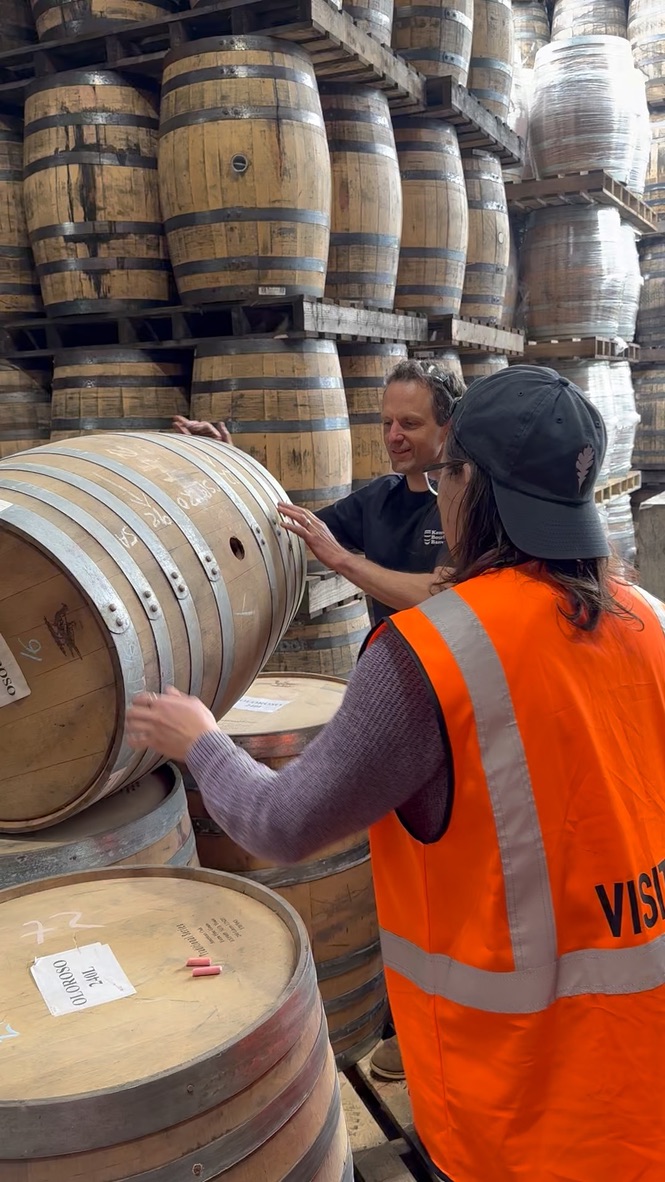
The trickiest and most limiting part of this process is selecting the right casks. We strongly prefer wet casks over seasoned oak. The best finishing casks come from Europe and are at their best, right after they have been emptied of their previous wine or spirit. Our preference is to purchase casks from one producer to limit transit time and even then we discard about 25% of the casks we purchase before ever even filling them.
Wood is an ingredient. The better the wood. The better the whisky.
Blend mature component whiskies to fill a set of specific finishing casks and new oak barrels.
Further mature the whisky in those casks for 6–18 months.
Reblend the best of those casks to create the final vatting.
Our numbered core releases. Each one a blend built to stand on its own, in the largest volumes we make.
View the Batches →Test blends we couldn't scale but wouldn't leave in the lab, refined into one-of-one bottlings for a single account.
View Private Peak →Releases that go out to the mailing list first. A few each year go nowhere else at all.
View the Exclusives →